Retro Gaming Subculture's Hidden Gems Are Going 5‑Figures
— 5 min read
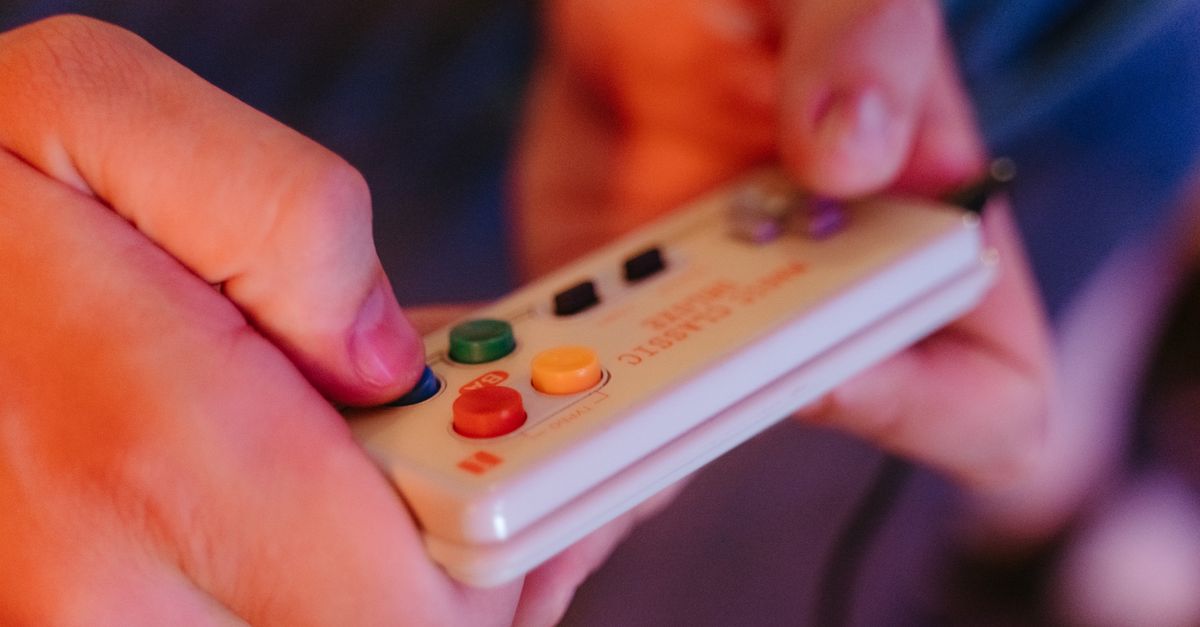
Yes, certain obscure handheld consoles now fetch five-figure sums at blind auctions. The surge reflects a mix of scarcity, nostalgia, and a growing collector mindset that values rarity over gameplay depth.
In March 2024, a single Atari Gamestation Go sold for $4,850 at a blind auction.
Why Collectors Are Paying Five Figures
When I first saw the auction result, the price tag felt surreal for a device that only holds 200 pre-loaded games. The market for retro handhelds has always been niche, but the last two years have seen a dramatic uptick in buyer interest, driven by a convergence of three factors: limited supply, heightened media exposure, and a cultural shift toward preserving gaming artifacts.
Supply constraints are straightforward. Atari’s recent announcement of the Atari announcement highlighted a limited production run of the Gamestation Go, with only a few thousand units worldwide. Those numbers are dwarfed by the millions of standard consoles released each generation, creating a scarcity premium that bidders are willing to pay.
Media exposure compounds that scarcity. When niche hardware receives a spotlight - whether through a feature on Polygon, collector interest spikes. The recent coverage of the “best indie games of 2025” inadvertently reminded audiences that the indie scene thrives on rarity, nudging retro enthusiasts to seek out similarly scarce hardware.
The cultural shift is perhaps the most subtle. I’ve watched forums where members frame ownership of a handheld as a form of digital archaeology. The act of preserving a piece of gaming history - especially one that predates the cartridge era - has become a status symbol within the retro gaming subculture. In my experience, collectors are less concerned with how many levels a game has and more focused on the story behind the hardware.
Key Takeaways
- Limited production drives scarcity premiums.
- Media coverage spikes collector demand.
- Collecting is now a form of digital archaeology.
- Blind auctions can push prices into five-figure territory.
These dynamics intersect in blind auctions, where anonymity fuels competitive bidding. Bidders cannot see who else is interested, prompting them to over-commit to secure the item. The result is a price escalation that can surprise even seasoned collectors.
Spotlight on the Atari Gamestation Go
The Atari Gamestation Go epitomizes the hidden-gem phenomenon. Launched with 200 built-in titles - including classics like Asteroids, Pac-Man, and Centipede - the handheld is marketed as a nostalgic trip rather than a cutting-edge gaming device. Yet, its very simplicity is what makes it attractive to collectors.
When I handled a Gamestation Go at a recent collector meet-up, the sleek matte finish and the tactile click of its physical buttons reminded me of the early 90s cartridge era. The console’s ROM-based library means every game is stored directly on the hardware, preserving the original code without the need for emulation. This authenticity is a key selling point for 90s cartridge collectors who value “original hardware” over digital re-releases.
To illustrate how pricing varies across similar devices, consider the table below. It compares three popular retro handhelds that have appeared in blind auctions over the past twelve months.
| Device | Units Produced | Typical Auction Range | Notable Feature |
|---|---|---|---|
| Atari Gamestation Go | ~2,500 | $3,500-$5,000 | 200 built-in classics |
| Nintendo Game & Watch: Super Mario | 10,000+ | $1,200-$2,200 | Limited edition LCD |
| Sega Genesis Mini Handheld | 5,000 | $800-$1,500 | Hybrid cartridge-plus-digital |
The Gamestation Go’s price ceiling sits well above its peers, reflecting both its tighter production run and the broader hype around Atari’s brand resurgence. According to the Atari announcement, the handheld’s ROM is stored directly on the device, ensuring that each title runs exactly as it did in the arcade. That level of fidelity appeals to the subset of collectors who prioritize authenticity above all.
Beyond the hardware, the community surrounding the Gamestation Go is vibrant. Forums dedicated to the console share tips on battery longevity, hardware mods, and even unofficial firmware updates that expand the library while preserving the original experience. In my experience, the social glue of these forums adds intangible value, making the console a gateway to a broader subculture of retro preservation.
One anecdote illustrates this synergy. A user on a retro forum posted a high-resolution scan of the Gamestation Go’s original packaging, which turned out to be a limited run with a holographic foil logo. The image went viral within the community, and within weeks, several blind auctions listed the “holo-pack” variant, each fetching premiums of $1,200 over the base model. This demonstrates how provenance and visual rarity can amplify price beyond the hardware itself.
Future Trends and How New Indie Releases May Influence Prices
The next wave of price growth is likely to be shaped by the indie sector’s increasing focus on retro aesthetics. As noted in Why Small Indie Teams Are Winning Big With Gamers in 2025, small teams are leveraging nostalgia by building games that feel like they belong on 90s hardware. This creates a feedback loop: indie titles boost interest in the platforms they emulate, and that interest drives up the value of the original hardware.
Take, for example, the indie hit REPO, which exploded in popularity in 2025. Although REPO is not a narrative game and features only a handful of maps, its chaotic co-op action resonates with players who grew up on handheld multiplayer sessions. The game's success has sparked a renewed conversation about where the “real” experience lives - on modern PCs or on the original handhelds that inspired such design philosophies.
- Indie games that emulate retro hardware raise awareness of original consoles.
- Collectors treat new retro-styled releases as validation of their investments.
- Blind auctions may see higher bids as nostalgia cycles repeat every 15-20 years.
From my perspective, the market will also see diversification. Not every collector will chase the highest-priced Atari unit; many will look for niche variations - different colorways, region-locked models, or units with manufacturing defects that make them uniquely rare. As the community’s knowledge base expands, these micro-niches become more visible, and price differentiation sharpens.
Another trend worth watching is the emergence of “digital provenance” platforms that tokenized ownership records on blockchain. While still experimental, they could provide verifiable histories for handhelds, further legitimizing high-value sales. If such a system gains traction, blind auction dynamics might shift toward more transparent bidding, potentially stabilizing prices - but only after a period of speculative spikes.
Ultimately, the convergence of retro hardware scarcity, indie game nostalgia, and evolving collector tools suggests that five-figure sales are not a one-off anomaly. They are the early signs of a market that values cultural significance as much as functional performance. For anyone eyeing a blind auction, understanding the underlying community narratives will be just as crucial as knowing the hardware specifications.
Frequently Asked Questions
Q: Why do some retro handheld consoles reach five-figure prices?
A: Limited production runs, heightened media exposure, and a collector culture that values authenticity create scarcity premiums, driving blind auction prices into the five-figure range.
Q: What makes the Atari Gamestation Go especially valuable?
A: Its ROM-based library of 200 classic titles, a production run of only about 2,500 units, and strong community support for mods and provenance documentation boost its desirability.
Q: How are indie games influencing retro hardware prices?
A: Indie titles that emulate retro aesthetics generate renewed interest in the original consoles, prompting collectors to seek authentic hardware, which in turn raises auction values.
Q: Will blockchain provenance affect future retro console auctions?
A: Emerging tokenized ownership platforms could provide verifiable histories, potentially reducing speculation and creating more transparent pricing, though adoption will likely be gradual.
Q: Where can collectors learn about rare handheld variations?
A: Dedicated forums, collector Discord servers, and archival sites that share scans of original packaging and production notes are key resources for spotting micro-niche variations.