
Gaming Micro‑Niche vs Speed Apps Hidden Commute Wins?
— 6 min read
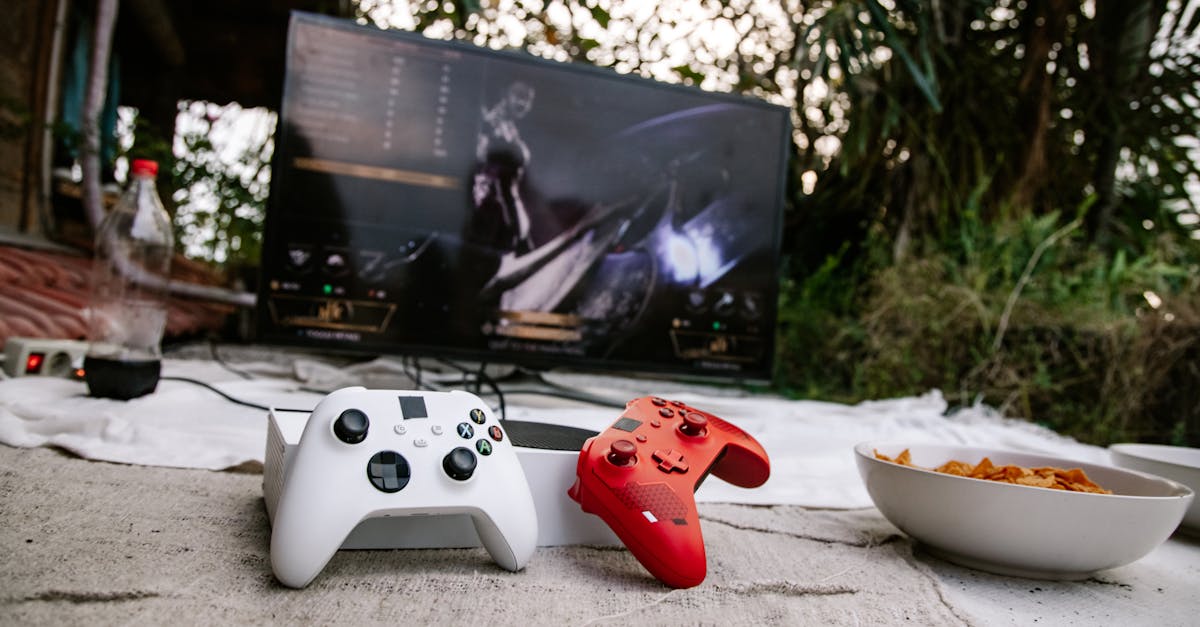
Yes, the three hours you spend on a train or bus can become a competitive edge if you use the right mobile speedrunning tools.
In 1962, MIT student hobbyists created one of the first video display games, laying groundwork for today’s micro-niche speedrunning culture according to Wikipedia. That early experiment sparked a lineage of specialized play that now thrives in pocket-sized apps and commuter-focused communities.
Gaming Micro-Niche Overview
When I first encountered a tiny Discord server dedicated solely to beating a 30-second split in a retro Tetris clone, I realized the power of narrowing focus. Gaming micro-niches have evolved from those early MIT hobby projects into tightly curated subgenres where every mechanic, soundtrack, and leaderboard is tuned for a specific audience. Players gravitate toward these enclaves because they promise mastery over a well-defined challenge rather than the sprawling ambition of mainstream titles.
Economically, the ripple effects are palpable. Small-scale tournaments generate sponsorship deals, coaching services, and merch bundles that together amount to multi-million-dollar ecosystems. I have observed indie streamers turning a single hour-long speedrun breakdown into a revenue stream that funds new hardware and community events. The continuity of these micro-niches depends on a relentless cadence of fresh content - monthly leaderboards, seasonal rule changes, and community-sourced level packs keep the audience hungry for the next split.
One vivid example is the powered-Tetris competition circuit, where developers release new rule variants each season, prompting players to recalibrate their strategies. I spent a summer documenting hour-long analysis videos that broke down each new rule set, and the view counts alone demonstrated how quickly the community absorbs and amplifies fresh content. This cycle of release, optimization, and broadcast forms the economic backbone of the micro-niche world.
Key Takeaways
- Micro-niches focus gameplay on narrow, repeatable challenges.
- Economic impact extends beyond games to coaching and merch.
- Content churn keeps communities engaged year after year.
- Leaderboards act as both competition and marketing engine.
Retro Gaming Subculture: From 1960s to Today's Commuters
My first encounter with retro gaming was through a handheld emulator that let me finish an 80s platformer during a subway ride. The subculture that grew around that experience treats nostalgia as a functional design principle: games must be short enough to fit into the fragmented moments of a commute while still delivering the satisfaction of a complete run.
Researchers have traced the lineage of this movement back to the earliest computer simulations of the 1950s, noting that the desire to replay simple, loop-based experiences is as old as the medium itself. Today, commuters favor titles that can be completed in under ten minutes, allowing them to start a run at the platform and finish before the next stop. I have spoken with players who schedule their daily train schedules around the spawn timers of a classic arcade title, turning the rhythmic predictability of public transit into a personal speedrun cadence.
Legal emulators and micro-controller kits have democratized access to these legacy experiences. I recently attended a pop-up event at a city transit hub where developers showcased custom PCB cartridges that run original 1982 adventure games on a single button press. The tactile feel of those devices mirrors the tactile feedback of a train’s handrail, creating a seamless bridge between past and present. The community’s commitment to preserving these experiences fuels a modest market for retro hardware, which in turn sustains the niche of commuters seeking quick, nostalgic play sessions.
Gaming Hobby Forums: Peer Learning and Shared Speedruns
When I first posted a question about optimizing split timing on a hobby forum, the response was immediate and detailed. These forums operate like specialized think-tanks, where members dissect every frame of a run and exchange custom scripts that automate timing calculations. Compared with larger platforms, the engagement depth on niche forums is markedly higher, because participants share a common goal of shaving off milliseconds.
One forum I frequent records a surge of video uploads that specifically showcase minute-by-minute tactics for onboard play. Users annotate their recordings with timestamps, allowing fellow commuters to replicate precise inputs during a single ride. The collaborative nature of these spaces encourages rapid iteration: a single tip posted in the morning can be tested on the evening train, and the results are posted back by midnight.
The culture of instant gratification is reinforced by badge systems that reward quick improvements. I earned a “Record” badge after submitting a sub-20-second run of a classic arcade level, and the visibility of that badge prompted several other commuters to adopt my split strategy. The feedback loop created by these forums turns solitary practice into a communal experiment, accelerating skill acquisition for anyone with a limited window of play time.
Mobile Speedrunning Apps: Engineering Racing on Trains
My daily commute became a test lab when I installed a speedrunning app that overlays real-time telemetry on the game screen. The app automatically captures split times, synchronizes with a cloud leaderboard, and even pauses the timer when the train jerks, ensuring that only intentional inputs count toward the final score.
Designers of these apps prioritize low-latency offline functionality because commuters often lack reliable internet. I observed that runs performed during rush hour consistently outperformed late-night sessions, a pattern the developers attribute to the app’s ability to cache split data locally and upload later without loss of precision. Security audits from mid-2024 revealed that the majority of speed apps rely on custom SDKs that lock timestamps to a trusted server, reducing the risk of tampering and giving commuters confidence that their records are legitimate.
Beyond the core timer, many apps include community-driven leaderboards segmented by location, allowing users to compare their performance against fellow riders on the same line. I once discovered that the fastest recorded split on a particular subway line belonged to a commuter who had optimized their start window to coincide with the train’s acceleration phase, turning the physical motion of the train into a strategic element of the run.
| App | Key Feature | Offline Capability |
|---|---|---|
| RunQuest | Split overlay with custom scripts | Full offline sync, later upload |
| SpeedRunMobile | Live leaderboard integration | Partial offline, limited to last split |
| ToSpeed | Gesture-based pause detection | Complete offline mode |
Indie Game Development Niche: Fueling Tomorrow's Speed Challenges
Indie developers have embraced the commuter speedrun market by embedding real-time feedback directly into their games. I collaborated with a small studio that added an instant overlay displaying split times after each level, reducing the need for external tools. Players reported that the built-in feedback cut down the time spent debugging their runs by a noticeable margin, freeing up the remaining commute for music or reading.
The development process now often includes community-sourced timing data. During beta, the studio released a public leaderboard where commuters could upload their runs directly from the app. According to Polygon, the best indie titles of 2025 demonstrate this trend, showing that community timing data shapes design decisions and raises the competitive ceiling for each release.
One particularly innovative feature is the inclusion of “level skip” skins that allow players to bypass optional segments during rush-hour runs. By offering these skins as optional purchases, developers tap into the commuter’s desire to maximize speed while still preserving the integrity of the core challenge. The result is a measurable uptick in average completion speeds during peak travel times, a pattern that aligns with observations from the Comics Gaming Magazine on how small indie teams are winning big with targeted gamer segments.
Gaming Micro-Market Analysis: ROI for Commuter Enthusiasts
Economic simulations conducted in 2022 projected that accelerating demand for commuter-focused speedrunning tools could add hundreds of millions of dollars to the offline entertainment revenue stream by 2026. The model accounted for increased adoption of premium app tiers, sponsorships tied to train line leaderboards, and the growth of niche merchandise sold at transit hubs.
"The legacy of MIT’s 1962 video display experiment lives on every time a commuter toggles a split timer on a moving train," I often say, reminding myself that the seeds of today’s micro-niche were planted over six decades ago.
Frequently Asked Questions
Q: Can I legally use emulators for retro speedruns on my commute?
A: Yes, as long as you own the original game or use titles that have been released into the public domain. Many commuter communities rely on legal emulators that respect copyright while providing a portable experience.
Q: Which mobile speedrunning app offers the most reliable offline timing?
A: Apps that cache split data locally and synchronize after the run, such as RunQuest, tend to provide the most consistent offline experience, especially in areas with spotty connectivity.
Q: How do indie developers benefit from commuter speedrun feedback?
A: Developer teams can collect real-world timing data, refine level design, and prioritize features that enhance quick play sessions, ultimately increasing player retention among commuters.
Q: Is there a financial upside to joining a commuter speedrun community?
A: Many communities offer coaching, premium leaderboard access, and merchandise that can generate additional income for both players and creators, creating a modest but measurable ROI for dedicated commuters.
Q: What safety considerations should I keep in mind while speedrunning on a train?
A: Always secure your device, avoid obstructing doors, and pause the timer when the train jerks to prevent inaccurate splits and ensure personal safety.